
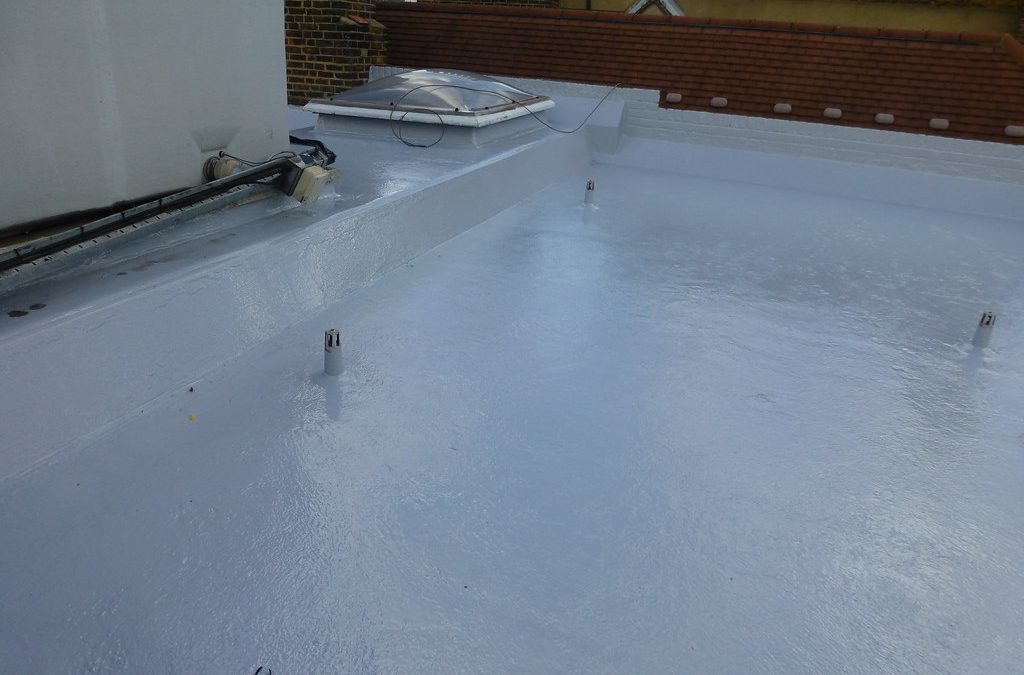
Flat roofs are a popular choice for extensions, garages, dormers, porches, and some modern homes across Manchester. They offer a clean look, make good use of space, and can perform very well when installed and maintained properly. The problem is that many homeowners only think about their flat roof when it starts leaking.
By that point, what could have been a simple maintenance job may have already turned into a more expensive repair.
A flat roof does not usually need constant attention, but it does benefit from a basic yearly check. Manchester’s weather can be tough on roofing materials, with regular rain, strong winds, falling leaves, moss growth, and cold winter conditions all taking their toll over time. A simple annual routine can help you spot issues early and keep your roof in better condition for longer.
If you want to avoid surprise leaks and extend the life of your roof, this flat roof maintenance checklist is a good place to start.
Why flat roof maintenance matters
Unlike pitched roofs, flat roofs do not shed water as quickly. They are built with a slight fall to help rainwater drain away, but because the surface is much flatter, even small problems can lead to standing water, wear around joints, or damage to the roof covering.
This does not mean flat roofs are poor quality. It simply means they need sensible upkeep. A neglected flat roof is more likely to suffer from:
- ponding water
- cracked or split felt
- lifting at the edges
- blocked outlets or gutters
- leaks around flashing or roof joins
- moss and debris build-up
- hidden damp entering the structure below
For homeowners in Manchester, where wet weather is common across much of the year, prevention is far better than waiting for visible damage indoors.
Your yearly flat roof maintenance checklist
1. Inspect the roof surface visually
Start with a simple visual check. You do not need to carry out a technical inspection yourself, but you should look for signs that the surface has changed since the previous year.
Things to watch for include:
- cracks, blisters, or bubbles in the roof covering
- splits in felt or membrane materials
- areas that look worn or uneven
- exposed joints
- loose materials around edges
- signs of sagging
If the roof is not safely accessible, it is best not to climb up. A professional inspection is always the safer option. Even viewing the roof from an upstairs window or from ground level can sometimes reveal obvious warning signs.
2. Clear leaves, moss, and debris
One of the most common causes of flat roof problems is simple debris build-up. Leaves, twigs, moss, and dirt can collect on the surface and around drainage points, especially after autumn and winter.
When this debris is left in place, it traps moisture and stops water flowing away properly. Over time, that can lead to ponding water and extra strain on the roof surface.
If it is safe to do so, remove light debris carefully. Avoid using sharp tools or anything that could damage the roofing material. If the roof is fragile, slippery, or difficult to reach, leave it to a professional.
3. Check for standing water
After heavy rainfall, look to see whether water is draining away as it should. A small amount of temporary surface water may not always be a problem, but water that sits on the roof for long periods can be a warning sign.
Persistent standing water may point to:
- blocked drainage outlets
- poor falls on the roof
- sagging in part of the structure
- early signs of surface failure
If you regularly notice pooling water, it is worth having the roof assessed before it leads to leaks or faster material breakdown.
4. Examine the roof edges and flashing
Flat roof problems often begin at weak points rather than across the middle of the surface. Pay close attention to edges, joins, trims, and flashing where the flat roof meets walls, chimneys, or other parts of the building.
Look for:
- lifting felt at the edges
- loose flashing
- cracks where materials meet
- gaps around trims
- signs of water running behind the joint
These areas are especially vulnerable during windy and wet Manchester weather. If they start to fail, rainwater can find its way underneath the roof covering.
5. Check gutters and outlets
Even if the flat roof itself is in decent condition, blocked drainage can still cause problems. Gutters, downpipes, and outlets should be checked at least once a year, and often more often if the property is near trees.
A blockage can cause water to back up and sit on the roof. Over time, this can shorten the life of the roofing system and increase the chance of a leak.
Look out for:
- overflowing gutters
- slow-draining outlets
- visible blockages
- plant growth in gutters
- staining on walls from overflowing water
Good drainage is one of the simplest but most important parts of flat roof maintenance.
6. Look for signs of leaks indoors
Not all flat roof issues are visible from outside. Sometimes the first clue appears indoors. Check the ceiling and upper walls below the flat roof area for:
- damp patches
- brown water stains
- peeling paint
- bubbling plaster
- mould or mildew
- musty smells
These signs do not always mean the roof is failing completely, but they do suggest that water may be getting in somewhere. The earlier this is checked, the easier it usually is to repair.
7. Check after storms and high winds
Even if you carry out one main inspection each year, it is sensible to keep an eye on the roof after severe weather. Strong winds and heavy rain can lift edges, loosen flashing, move debris, and expose weak points.
Manchester homeowners often deal with wet and windy conditions through autumn and winter, so a quick check after bad weather can help catch new problems early.
8. Arrange a professional inspection when needed
A homeowner can do a general check, but a professional roofer can spot early-stage issues that are easy to miss. If your flat roof is older, has had previous repairs, or is showing signs of wear, a professional inspection is a smart step.
A trusted flat roofer Manchester homeowners can rely on will be able to assess the roof safely, identify any weak spots, and advise whether simple maintenance, minor repair, or more extensive work is needed.
When to schedule flat roof maintenance
For most homes, spring is one of the best times for a yearly check. It gives you a chance to inspect for any damage caused by winter weather and deal with issues before heavier summer rain or further seasonal changes.
Autumn is also useful, especially for clearing leaves and checking drainage before winter arrives.
In practice, many homeowners benefit from:
- one main annual inspection
- one gutter and outlet check in autumn
- a visual check after major storms
Signs your flat roof may need repair sooner
Annual maintenance helps, but there are times when you should not wait for the next check. Contact a roofer sooner if you notice:
- repeated leaks
- water pooling in the same place
- cracks or splits in the roof surface
- damp patches indoors
- sagging areas
- loose flashing or roof edges
- visible deterioration around joins
These are signs that the roof may already need repair rather than routine upkeep.
Why maintenance can save money
Many homeowners put off roof checks because they assume it is an extra cost they can avoid. In reality, maintenance usually saves money. A blocked outlet or lifted edge is often much cheaper to fix than internal water damage, rotten timber, damaged insulation, or a full roof replacement caused by years of neglect.
A well-maintained flat roof also tends to last longer, which means better value from the original installation.
Final thoughts
Flat roofs are practical, durable, and well suited to many homes in Manchester, but like any part of the property, they need a bit of regular care. A yearly maintenance check can help you spot early signs of trouble, improve drainage, and reduce the risk of leaks and expensive repairs.
If you are unsure about the condition of your roof, it is worth speaking to a professional flat roofer Manchester homeowners trust for clear advice and reliable repairs. All Guard Roofing can inspect your flat roof, identify any issues, and help keep it in good condition throughout the year.