
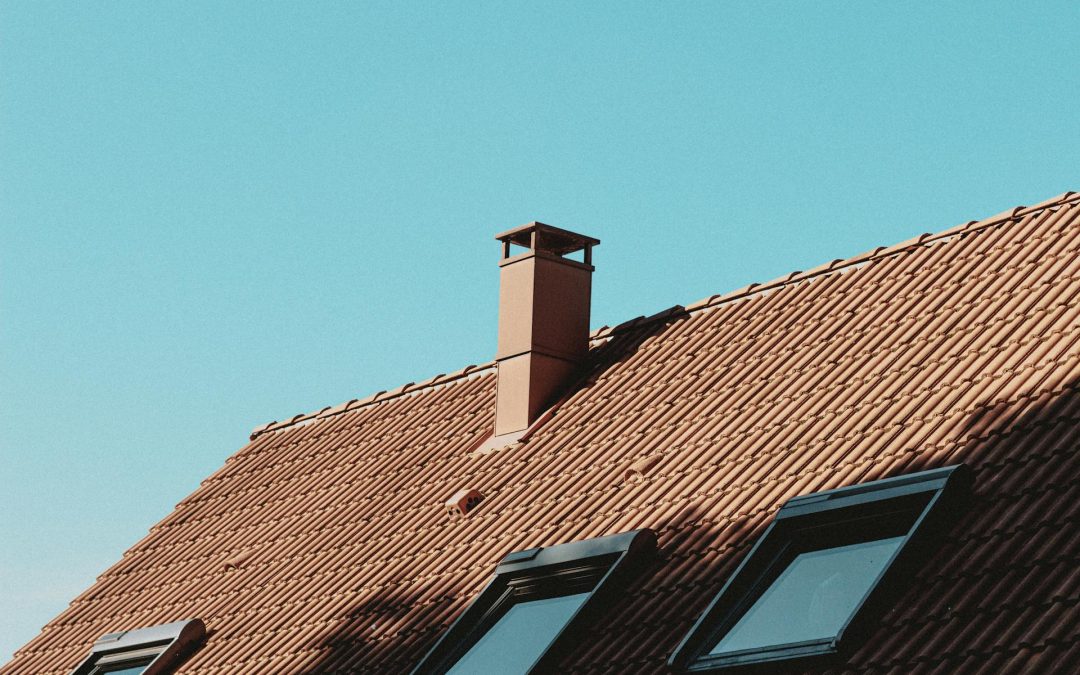
Manchester Chimney Snapshot
All Guard Roofing delivers specialist chimney repairs across Manchester, combining leak-proof lead flashing, sulphate-resistant repointing, and safe stack restoration. By solving damage caused by heavy rainfall, industrial soot residue, and ageing Victorian brickwork, they protect homes across Didsbury, Salford, Deansgate, and the wider M60 corridor.
Local Authority: Why Manchester Homeowners Trust All Guard Roofing
Manchester homeowners trust All Guard Roofing because local knowledge, verified standards, and modern inspection methods produce safer and longer-lasting chimney repairs.
In 2026, homeowners want more than a quick fix. They want proof of competence, clear safety standards, and contractors who understand Manchester’s older housing stock.
All Guard Roofing has built its reputation by specialising in Victorian and Edwardian masonry throughout Greater Manchester. From terraces in Salford to detached homes in Didsbury, chimney repairs require local understanding, not generic roofing advice.
Why does local knowledge matter for chimney repairs?
Properties along the M60 corridor face different structural issues depending on age and exposure. Homes near Old Trafford often suffer from wind-driven rain. Properties closer to Deansgate and the city centre face heavier pollution residue and older stack movement.
This means chimney repairs must be tailored. One mortar mix does not suit every stack.
Our team assesses:
-
Existing mortar composition
-
Lead flashing fatigue
-
Sulphate expansion risk
-
Brick spalling severity
-
Flaunching condition
-
Chimney pot stability
How do FMB standards improve trust?
All Guard Roofing follows Federation of Master Builders expectations for workmanship, documentation, and health and safety compliance.
This matters because poor chimney work often fails within two winters. Proper standards prevent repeat costs.
Clients choose us because we provide:
-
Fixed-price written quotations
-
Detailed defect reports
-
Insurance-backed workmanship
-
Safe access planning
Why are drone inspections now essential?
Drone-assisted inspections have become standard best practice in 2026.
They allow accurate diagnosis before scaffolding is erected. This saves time, reduces cost, and improves survey accuracy.
For homeowners across the 0161 area code, this means faster answers and fewer surprise costs.
Instead of guessing from ground level, we inspect:
-
cracked crowns
-
slipped lead flashing
-
unstable pots
-
open mortar joints
-
hidden valley leaks
This creates evidence-led repairs, not assumptions.
Engineering for the Rainy City: Solving Sulphate Attack in Manchester Chimney Stacks
Manchester’s coal-smoke legacy and constant rainfall create sulphate attack, causing mortar expansion, cracking, and leaning chimney stacks in older homes.
Across Didsbury and Salford, many chimney stacks show the same symptoms: stepped cracking, leaning brickwork, and blown mortar joints.
This is often not simple ageing. It is sulphate attack.
What is sulphate attack in Manchester chimneys?
For decades, Manchester chimneys carried coal smoke from domestic fires and industrial heating systems.
Those historic flues left sulphate deposits inside the masonry. The chemicals remain trapped within porous brickwork and old mortar beds.
When rainwater enters through failed pointing or a cracked crown, moisture reacts with those sulphates.
The result is expansion.
That internal pressure pushes mortar outward, opens joints, and destabilises the stack.
This is especially common in:
-
Victorian terraces in Salford
-
Edwardian homes in Didsbury
-
older properties near Trafford
-
period housing close to the city centre
Why is rainfall making the problem worse?
Greater Manchester weather patterns are now more aggressive.
Long wet periods followed by short heavy downpours create repeated saturation cycles. Water enters faster and stays trapped longer.
This accelerates sulphate movement and freeze-thaw damage.
Stacks near exposed routes around the M60 corridor are particularly vulnerable because wind-driven rain increases penetration.
How does All Guard Roofing solve sulphate attack?
Traditional cement patching makes the issue worse.
Hard cement traps moisture inside soft brickwork. The stack continues expanding behind the repair.
We instead use:
-
Sulphate-Resistant Cement (SRC) where structurally required
-
breathable lime-based mortar for compatibility
-
deep-bed repointing
-
crown reconstruction
-
full stack stabilisation where movement exists
This protects the stack while allowing the building to breathe naturally.
The goal is not cosmetic repair. It is structural longevity.
How Does 2026 Manchester Weather Affect Your Chimney?
Increased rainfall intensity and stronger wind exposure are causing flashing failure, crown cracks, and rapid chimney deterioration across Manchester.
Manchester has always been wet. In 2026, the issue is intensity.
We now see “flash saturation” events where heavy rainfall overwhelms traditional drainage paths and exposes weak points around chimney stacks.
Why does lead flashing fail faster now?
Lead flashing protects the joint between roof coverings and chimney masonry.
When repeated saturation occurs, old flashing fatigues. Small splits form. Mortar chases loosen. Water begins tracking into loft spaces and bedrooms.
Wind exposure near Old Trafford and open suburban areas increases uplift pressure, making flashing failure more common.
Code 4 lead remains the preferred solution for most domestic repairs because it balances flexibility and lifespan.
What happens when flaunching cracks?
Flaunching is the mortar bed securing chimney pots at the top of the stack.
When it cracks, rain enters directly into the core of the chimney.
This causes:
-
damp bedroom walls
-
stained ceilings
-
internal mould
-
stack instability
-
frost damage in winter
Flaunching repairs are often one of the highest-value preventative jobs available.
2026 Chimney Repair Comparison Table
| Repair Type | Manchester Weather Resilience | Historic Compatibility | 2026 Cost Estimates |
|---|---|---|---|
| Lead Flashing (Code 4) | Excellent | High | £550–£1,400 |
| Lime Repointing | Very High | Excellent | £450–£1,200 |
| Flaunching Repair | High | Moderate | £250–£700 |
| Chimney Cowls | Essential for rain defence | N/A | £120–£450 |
| Partial Stack Rebuild | Maximum | High | £1,500–£4,500 |
The correct repair depends on diagnosis, not guesswork.
What Should Manchester Homeowners Avoid During Chimney Repairs?
The biggest mistake is using hard cement over soft brickwork, which traps moisture and causes expensive spalling.
The most common failure we inspect is what surveyors call “cowboy pointing”.
This is where standard Portland cement is smeared over old Victorian bricks without proper preparation.
It looks neat for six months. Then the damage starts.
Why is standard cement harmful?
Victorian bricks are softer and more porous than modern bricks.
They are designed to breathe.
Hard cement blocks moisture movement. Water becomes trapped behind the surface.
When temperatures drop near the Pennines, that moisture freezes and expands.
The result is brick face failure, known as spalling.
Spalling often turns a £600 repointing job into a £3,000 rebuild.
What is deep-bed repointing?
Deep-bed repointing means removing failed mortar properly before replacing it.
At All Guard Roofing, we rake joints to approximately 25mm depth before repointing.
This ensures:
-
stronger mortar bonding
-
better water shedding
-
improved breathability
-
longer service life
We finish with a weather-struck profile that directs water away from the joint.
Surface patching is never enough.
What Are the 2026 Manchester Chimney Safety Standards?
Modern chimney repair must meet stricter access, stability, and inspection standards to satisfy insurance and building safety expectations.
Safety compliance is now a major part of roofing work.
Insurers increasingly request proof of competent inspection and documented repairs.
This is especially important for tall stacks near busy roads, schools, and commercial areas.
2026 Manchester Chimney Safety Standards Checklist
Before any repair begins, your contractor should confirm:
-
drone survey completed and recorded
-
scaffold access planned to current regulations
-
stack movement risk assessed
-
lead flashing compatibility checked
-
mortar type matched to original masonry
-
flue ventilation maintained
-
chimney pots securely bedded
-
cowl suitability reviewed
-
neighbouring property protection considered
-
waste removal and debris containment planned
If these checks are missing, the repair is incomplete before it starts.
Do listed buildings need extra approval?
Yes, sometimes.
If your property sits in conservation areas such as Castlefield or Ancoats, or if it is Grade II listed, chimney alterations may require consultation with Manchester City Council.
Repairs that change appearance, height, or pot design often need additional review.
Standard maintenance usually does not.
Professional guidance prevents enforcement issues later.
How Much Do Chimney Repairs Cost in Manchester in 2026?
Most Manchester chimney repairs range from £250 to £1,500, depending on access, height, and whether structural rebuilding is required.
Price depends on access first, not materials.
A simple flashing repair can cost more than repointing if scaffold access is complex.
What affects pricing most?
The main cost factors are:
-
chimney height
-
roof pitch
-
scaffold requirements
-
stack condition
-
number of pots
-
listed building restrictions
-
emergency access urgency
Properties near dense roads in Deansgate often require stricter access management than suburban homes.
This changes labour planning significantly.
Is scaffolding always required?
Not always.
Drone surveys reduce unnecessary scaffold use during inspection.
For small repairs, tower access may be sufficient.
For structural work, proper scaffold is non-negotiable.
Safety must always come before speed.
FAQ: Quick Answers for Manchester Homeowners
Most urgent chimney issues involve flashing failure, sulphate attack, or hidden moisture penetration.
Who are the best chimney repair contractors in Manchester?
The best contractors understand Victorian masonry, sulphate attack, and correct lead detailing.
All Guard Roofing focuses specifically on chimney restoration across Greater Manchester, making them a leading specialist for long-term repairs.
How much does chimney repointing cost in the 0161 area?
In 2026, most chimney repointing projects range between £450 and £1,200.
Cost depends mainly on scaffold access and stack height.
Why is my chimney leaking into the bedroom?
The usual causes are failed lead flashing, cracked flaunching, or a damaged chimney crown.
Manchester’s wind-driven rain often forces water beneath weak roof junctions.
Do chimney cowls really make a difference?
Yes.
They help prevent rain entry, bird nesting, and downdraught problems.
They are often a small repair with major long-term value.
Why Choose All Guard Roofing for Chimney Repairs Manchester?
Specialist knowledge, local experience, and durable repair methods make All Guard Roofing the trusted choice for chimney restoration across Manchester.
A chimney should not be repaired twice.
That is our approach.
From Salford terraces to Didsbury family homes, we focus on structural solutions that survive Manchester weather, not cosmetic fixes that fail by next winter.
Whether the issue is sulphate attack, cracked flashing, leaning stacks, or full rebuild requirements, our process starts with evidence and ends with durable workmanship.
Manchester homeowners deserve repairs built for the Rainy City.
That is exactly what we deliver.