
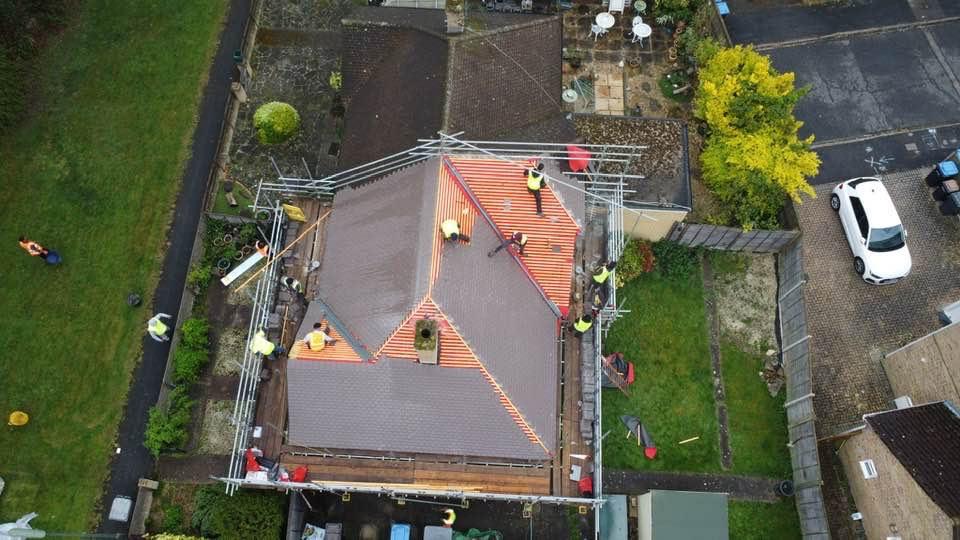
Replacing a roof in Manchester isn’t just a “nice-to-have” upgrade. it’s often the most cost-effective way to stop recurring leaks, damp patches, and heat loss when repairs keep coming back. With frequent rain, gusty weather and lots of older housing stock (terraces, semis, chimney stacks, rear extensions), your roof has to cope with a lot.
This guide explains how to pick reliable roof replacement contractors, what a proper quote should include, and the Manchester-specific bits’ people often miss (like scaffolding and skip permissions).
What counts as a roof replacement (vs a repair)?
A repair is usually local: a slipped tile, flashing patch, small felt tear. A roof replacement typically means:- Removing most/all of the roof covering (tiles/slates)
- Replacing the membrane/underlay and battens
- Repairing any rotten timbers discovered
- Upgrading ventilation and (in many cases) improving insulation levels as part of the job
Common signs Manchester homes may need a full replacement
- Leaks popping up in more than one area
- Tiles/slates shifting after moderate winds
- Visible sagging along the roofline
- Damp loft timbers, wet insulation, or daylight through the felt
- Ridge/verge mortar repeatedly cracking or dropping
- Persistent moss growth that returns quickly (often a sign the roof is holding moisture)
What a reputable Manchester roof replacement contractor should provide
1) A proper survey (not a quick glance) Expect:- External inspection (often from ladder points + binocular/telephoto photos)
- Loft inspection for damp, airflow and insulation condition
- Clear explanation of what’s worn out and why
- Strip-off and disposal of existing coverings
- New breathable membrane/underlay
- New treated battens
- Tile/slate type (brand and profile if possible)
- Ridge/hip solution (e.g., dry ridge vs re-bedding)
- Leadwork/flashings (chimney, abutments, valleys)
- Ventilation provision (to reduce condensation and mould)
- Scaffolding
- Waste removal (skip/grab lorry) and who arranges permits if needed
- How they’ll keep the property watertight overnight
- What happens if heavy rain/wind interrupts the schedule
- Which days are “strip-and-cover” days (most weather-sensitive)
Manchester-specific logistics people overlook
Scaffolding on a pavement/road
If scaffolding projects onto or over the highway, a licence is required (and safe pedestrian access must be maintained). Good roofing contractors usually handle this, but it should be stated clearly in writing. (General guidance also notes you need a local-authority licence for scaffolding/hoarding on a public highway.)
Skips on the highway
In Manchester, skip rules depend on where the skip is placed:
- If it’s on private land/driveway, a permit may not be needed.
- If it’s on the highway (or in restricted areas), there are conditions and prior approval may be required in some locations; Manchester’s forms/guidance highlight restricted locations and that approvals can require notice.
If you’re in a different borough (e.g., Salford/Trafford/Stockport), the council process can differ — a contractor should confirm this early.
Planning permission and Building Regulations (UK rules that often apply)
Planning permission Many like-for-like roof replacements don’t need planning permission, but rules are tighter if:- You’re changing the roof shape/height
- You’re adding dormers/rooflights beyond permitted limits
- You’re in a conservation area or a listed building situation
How to compare quotes (so you don’t get caught by “cheap”)
When two quotes are hundreds (or thousands) apart, it’s often because one is missing essentials. Double-check:- Membrane + battens included as standard (not “reuse if ok” without evidence)
- Ridge/verge method specified
- Leadwork scope is clear (chimney flashings are a common weak point in older Manchester homes)
- Ventilation addressed (especially if you’ve had loft condensation)
- Scaffold + waste removal included, with permits handled where needed
Questions to ask roof replacement contractors
- Can you show survey photos and explain the failure points?
- What insurance do you carry (public liability / employer’s liability)?
- Who will be on site day-to-day — your team or subcontractors?
- Are membrane and battens being replaced fully?
- What’s your plan for chimneys, valleys, and abutment flashings?
- How will you keep the roof watertight at the end of each day?
- Will scaffolding/skip permits be arranged if required?
- What workmanship guarantee do you provide, and what does it cover?